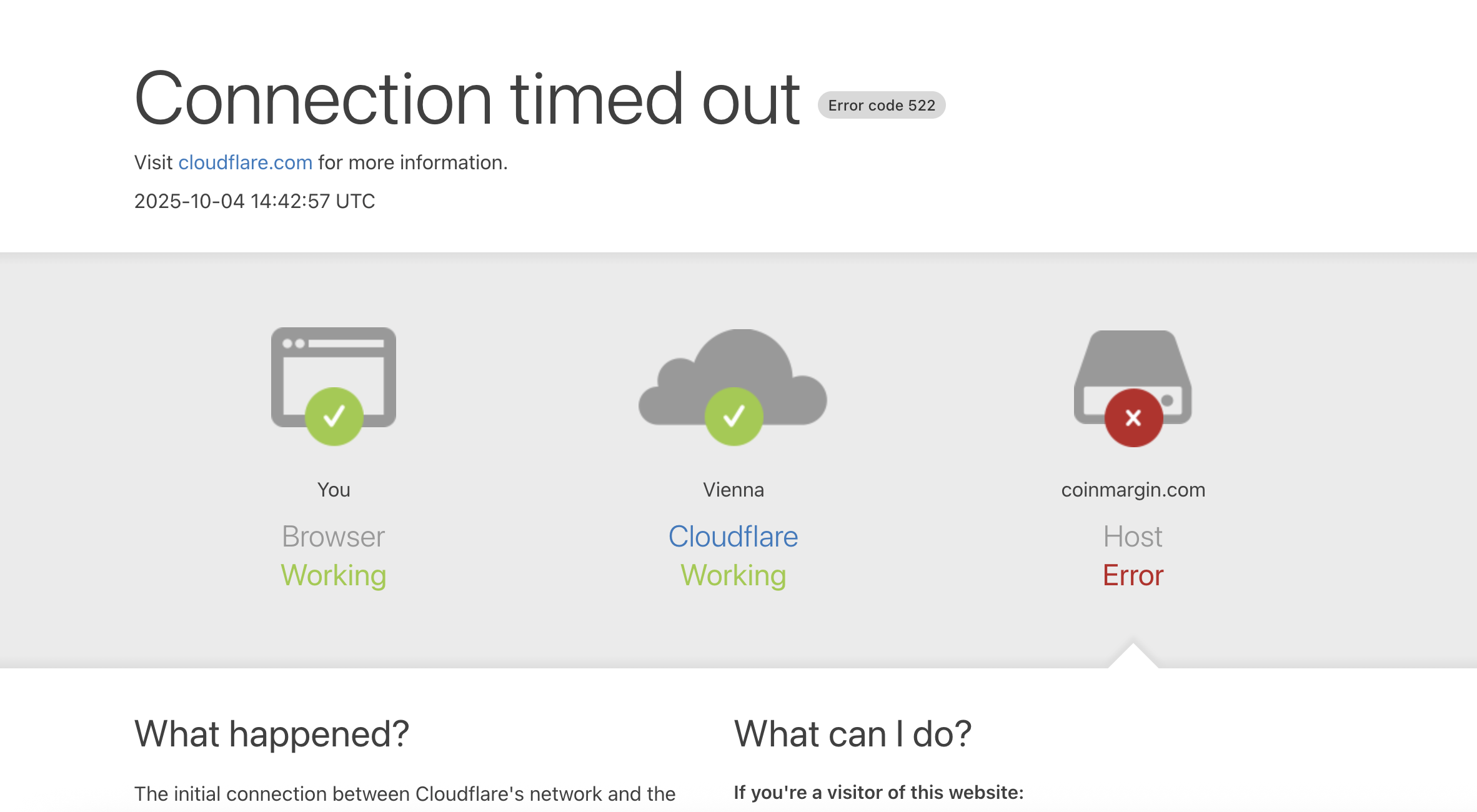
Coinmargin.com Fraud Alert – Don’t Fall for This Investment Trap
Introduction: Why Coinmargin.com Is Raising Serious Alarm
The cryptocurrency market has become a prime hunting ground for online fraudsters. As more investors look for fast profits and alternative income streams, scam platforms continue to emerge—many of them disguised as professional trading companies.
One platform currently raising serious concerns is Coinmargin.com.
At first glance, Coinmargin.com appears polished and convincing. It promises consistent profits, expert-managed accounts, advanced trading tools, and seamless withdrawals. However, a deeper investigation reveals a pattern of deception commonly associated with crypto investment scams.
This in-depth Coinmargin.com scam review exposes how the platform operates, the red flags investors should not ignore, and what to do if you have already been affected. If you are unfamiliar with scam tactics, we strongly recommend starting with our Scam Awareness guide.
What Is Coinmargin.com Claiming to Be?
Coinmargin.com presents itself as a cryptocurrency trading and investment platform offering:
-
Automated crypto trading
-
Managed investment accounts
-
High daily or weekly returns
-
Dedicated account managers
-
Secure and fast withdrawals
The website attempts to build credibility through dashboards, charts, and professional language. However, appearance alone does not equal legitimacy.
When evaluated using proper verification standards—outlined in our How To Verify a Platform or Company guide—Coinmargin.com fails multiple critical checks.
How the Coinmargin.com Scam Operates
Fraudulent platforms often follow a repeatable structure, and Coinmargin.com appears to mirror this pattern closely.
1. Unrealistic Profit Promises
Coinmargin.com promotes unusually high and consistent returns, sometimes implying daily profits. In real financial markets, such guarantees do not exist. Guaranteed returns are one of the most common indicators listed in Red Flags & Warning Signs.
2. Aggressive Account Managers
After registration, users are contacted by so-called “account managers.” These individuals push victims to deposit more funds, claiming higher deposits unlock better returns or exclusive opportunities.
Their goal is not trading—it is maximizing deposits.
3. Fake Trading Results
Victims report seeing profits displayed on Coinmargin.com’s dashboard. These figures are not connected to real market activity and can be manipulated at will. This illusion of success is designed to keep users investing more money.
4. Withdrawal Barriers and Extra Fees
Once a withdrawal is requested, the platform allegedly introduces obstacles such as:
-
Tax fees
-
Liquidity charges
-
Verification costs
-
Account unlocking fees
Legitimate platforms deduct fees transparently. Scammers demand new payments before allowing withdrawals—often repeatedly.
5. Sudden Loss of Communication
When victims refuse to send additional money, communication often stops. Accounts may be restricted or blocked entirely, leaving victims without access to their funds.
This behavior aligns closely with other cases listed under Common Scam Types.
9 Major Red Flags Associated With Coinmargin.com
Based on analysis and victim reports, Coinmargin.com displays the following warning signs:
-
Guaranteed or unrealistic returns
-
No verifiable regulatory license
-
Anonymous company ownership
-
No transparent business address
-
Recently registered domain
-
Fake or copied testimonials
-
Pressure to deposit funds quickly
-
Crypto-only or untraceable payment methods
-
Withdrawal requests blocked or delayed
Any single one of these should raise concern. Combined, they present a high-risk profile.
What Victims Are Reporting
Reports from affected users follow a consistent pattern:
-
Initial small profits shown on the dashboard
-
Pressure to increase investment
-
Sudden fees when requesting withdrawals
-
Customer support becoming unresponsive
-
Accounts frozen or deleted
Some victims also report intimidation tactics when questioning the platform’s legitimacy. These experiences are common in crypto scams and are discussed in our What To Do After Being Scammed guide.
Why Coinmargin.com Cannot Be Considered Legitimate
A legitimate crypto platform should provide:
-
Verifiable company registration
-
Recognized regulatory licensing
-
Transparent ownership
-
Independent audits or security validation
Coinmargin.com provides none of these.
Its lack of regulation, unclear ownership, and unverifiable claims strongly suggest that it was created for short-term fraudulent activity rather than long-term service provision.
How to Protect Yourself From Platforms Like Coinmargin.com
To avoid similar scams:
-
Always verify registration and licensing
-
Avoid platforms promising guaranteed profits
-
Research independent reviews and complaints
-
Be cautious of pressure tactics
-
Never rush investment decisions
Use our Red Flags & Warning Signs checklist before engaging with any unfamiliar platform.
What To Do If You Lost Money to Coinmargin.com
If you believe you have been scammed by Coinmargin.com:
-
Stop all communication immediately
-
Secure your accounts and wallets
-
Preserve all transaction records and messages
-
Avoid “recovery” services demanding upfront fees
-
Seek guidance from a trusted source
A step-by-step guide is available in What To Do After Being Scammed.
Report Coinmargin.com and Get Confidential Guidance
If you have been affected by Coinmargin.com or suspect fraudulent activity, you can contact bridgereclaim.com for confidential guidance.
Bridge Reclaim helps individuals:
-
Assess scam exposure
-
Understand realistic recovery options
-
Avoid secondary recovery scams
-
Take informed next steps
You may also find helpful information in our Recovery & Support Resources section.
Final Verdict: Coinmargin.com Is a High-Risk Platform
Coinmargin.com exhibits multiple characteristics associated with cryptocurrency investment scams. From misleading profit claims and fake trading dashboards to blocked withdrawals and lack of regulation, the risks are significant.
Investors should exercise extreme caution and avoid engaging with unverified platforms. Education, awareness, and proper verification remain the strongest defense against financial fraud.
Learn more: Scam Awareness | Scam Alerts | Book Consultation