PolkaMonster Review – Is This NFT Gaming Project a Scam?
The crypto landscape has seen an explosion of blockchain-based gaming platforms over recent years. Many of these projects promise innovation, interactivity, and financial rewards, all wrapped in the excitement of play-to-earn (P2E) ecosystems. However, alongside the legitimate ventures, numerous fraudulent schemes have emerged—seeking to exploit investors’ trust and the crypto community’s enthusiasm. One such example is PolkaMonster, a platform that initially appeared promising but has since become associated with widespread complaints, suspicious practices, and signs of potential fraud.
This detailed review explores the platform’s red flags, user experiences, operational structure, and why PolkaMonster has increasingly been viewed as a deceptive scheme. By examining how it operates and why so many investors have raised concerns, this article provides a comprehensive understanding of the risks surrounding PolkaMonster.
What PolkaMonster Claims to Be
PolkaMonster presents itself as a blockchain-based NFT game inspired by the rising popularity of monster-collecting P2E ecosystems. According to its marketing, it offers:
-
A decentralized gaming environment
-
NFT monster characters and assets
-
Play-to-earn rewards
-
Marketplace trading opportunities
-
Staking and token yield earnings
These features are commonly found in legitimate gaming projects, making PolkaMonster’s offering appear attractive to newcomers. The platform used bright visuals, mysterious creature concepts, and polished promotional graphics to draw attention. Early descriptions positioned it as the next breakthrough in NFT gaming, promising rare digital collectibles and high-value tokens that could allegedly generate substantial returns.
However, while the project’s presentation looked modern and engaging, its internal mechanics and business practices raise serious red flags that became impossible for many investors to ignore.
Lack of Transparency in the Development Team
A major warning sign associated with PolkaMonster is the complete lack of verifiable information about its developers. Legitimate blockchain games usually provide:
-
Team member names
-
Professional profiles
-
Social media links
-
Technical background
-
Company registration details
PolkaMonster, on the other hand, offered none of this. The platform relied on anonymity, leaving users with no clue who was controlling their funds or the assets within the ecosystem. This level of secrecy is one of the strongest indicators of a scam, especially in a market where trust is essential.
Investors reported repeatedly asking for clarification about the team and receiving vague responses or no answer at all. The project’s official communication channels avoided transparency and instead relied on hype and promotional claims.
Unrealistic Token Profit Promises
Another major red flag involves the profit structure advertised for the PolkaMonster token. The project promised extremely high APYs for staking, along with P2E reward systems that supposedly could generate steep earnings in short periods.
Scams often use these kinds of exaggerated returns because they attract inexperienced investors hoping for quick profit. Instead of relying on sustainable game mechanics or genuine demand, PolkaMonster seemed to promote the idea that holding the token alone would bring guaranteed wealth.
In reality, blockchain gaming economics depend on:
-
Player engagement
-
Sustainable earning models
-
Transparent token distributions
-
Real development progress
None of these elements were apparent in PolkaMonster’s operations. Instead, the token price fluctuated erratically and then sharply declined once early hype faded, leaving many investors with worthless assets.
User Complaints About Withdrawals and Locked Funds
A turning point for many users came when they encountered issues withdrawing funds from the platform. Reports included:
-
Failed withdrawal attempts
-
Delayed transactions
-
Sudden “verification issues”
-
Balance discrepancies
-
Requests for additional payments before unlocking funds
This pattern is commonly seen in deceptive platforms designed to extract as much money as possible before shutting down. Instead of offering smooth and transparent transactions, PolkaMonster repeatedly created hurdles, ultimately trapping users’ tokens or NFTs inside the system without honoring payouts.
Several users described situations where they were told to deposit more money to “activate” or “release” their funds—one of the clearest signs of fraud.
Questionable NFT Value and Market Manipulation
PolkaMonster heavily promoted its NFT monsters as rare and valuable assets. However, the NFT market within the platform did not reflect genuine demand or organic pricing. Instead, it appeared manipulated through:
-
Artificially inflated price floors
-
Bots placing fake bids
-
Sudden and unexplained drops in value
-
Poor liquidity and no real buyers
Investors found themselves holding digital collectibles that could not be traded, sold, or used meaningfully in gameplay. This lack of real utility further exposed the project’s emptiness.
Moreover, some NFTs were claimed to be “limited edition” or “exclusive,” but users later discovered the platform had mass-produced nearly identical assets—another deceptive practice common in crypto scams.
A Nonexistent or Poorly Developed Game
Despite promising an immersive P2E gaming experience, PolkaMonster failed to deliver an operational, functional game. Early visuals were mostly concept art or promotional renders that did not represent a real product. Attempts to access gameplay features led users to:
-
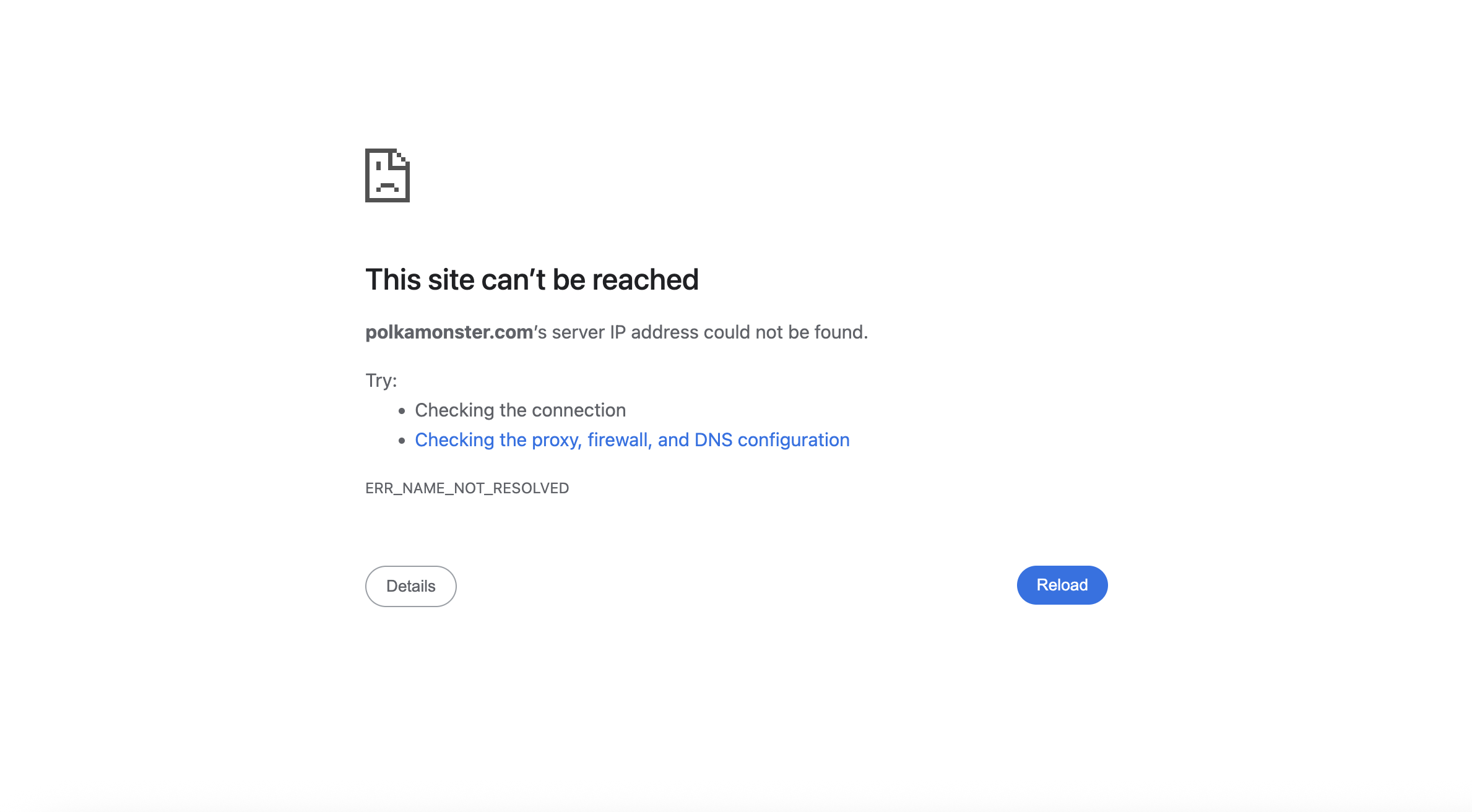
Broken links
-
Placeholder pages
-
Incomplete gaming modules
-
Minimal or no interactive content
Many scam projects use flashy graphics to simulate a real game, while the actual development is nonexistent. PolkaMonster appears to fall squarely into this category, with no substantial progress or updated roadmaps to show genuine development.
Disappearing Social Media Presence and Silent Administrators
Another concerning pattern involved the platform’s online presence slowly fading. PolkaMonster’s social media channels became inactive, community moderators stopped responding, and announcements ceased completely.
In the crypto world, disappearing communication is often the final stage before a “rug pull”—where the operators quietly abandon the project after collecting enough money.
This silence left many investors stranded with unanswered questions, locked funds, and rapidly declining token values.
Marketing Tactics Designed to Target Beginners
PolkaMonster’s promotional materials were crafted to appeal particularly to newcomers in the crypto and gaming space. These users tend to be unfamiliar with:
-
Technical blockchain details
-
Tokenomics safety indicators
-
Scam patterns
-
Developer transparency requirements
The platform relied heavily on emotional marketing—colorful graphics, playful characters, and promises of easy gaming rewards—to overshadow the lack of substance behind the system. This tactic allowed the scheme to attract a wide audience quickly, especially younger investors or inexperienced crypto users.
Red Flags That Indicate PolkaMonster Is a Scam
When reviewing all the evidence, several indicators strongly suggest that PolkaMonster operates as a scam:
1. Anonymous development team
No verifiable credentials, company registration, or leadership transparency.
2. Unrealistic earning claims
Guaranteed high returns with no economic support.
3. Withdrawal complications
A pattern of blocked or delayed payouts.
4. Incomplete gaming platform
No functional product despite significant marketing.
5. Suspicious NFT activity
Artificial pricing, poor liquidity, and mass-produced assets.
6. Abandoned communication channels
A classic sign of operators exiting the project.
Each of these red flags alone would be concerning. Combined, they paint a clear picture of intentional deception.
Final Thoughts on PolkaMonster
PolkaMonster started with appealing visuals and ambitious claims, but its lack of transparency, unrealistic promises, and operational failures make it clear why so many users label it as a scam. The project showcased all the hallmarks of a crypto gaming fraud, misleading investors through hype while offering no real value, no functional products, and no trustworthy structure.
Investors and gamers should be extremely cautious with platforms that hide their identities, offer guaranteed profits, or rely heavily on marketing without showing actual development. PolkaMonster serves as a strong reminder that not everything that shines in the crypto space is gold—and often, projects that look fun and exciting on the surface can be masking deeper risks underneath.
Report. PolkaMonster And Recover Your Funds
-
If you have lost money to polkaMonster, it’s important to take action immediately. Report the scam to BRIDGERECLAIM.COM , a trusted platform that assists victims in recovering their stolen funds. The sooner you act, the better your chances of reclaiming your money and holding these fraudsters accountable.
Scam brokers like polkaMonster continue to target unsuspecting investors. Stay informed, avoid unregulated platforms, and report scams to protect yourself and others from financial fraud.