Bitnest.me Investigation: A Dangerous Platform
The rise of decentralized finance (DeFi) has drawn innovators and opportunists alike. Amid the promise of blockchain-based financial tools, a growing number of platforms tout high yields with minimal effort. One of the most controversial and questionable is Bitnest.me, a project that markets itself as a decentralized crypto yield platform. Despite slick marketing and a veneer of legitimacy, deep examination reveals systemic risks and characteristics common to fraudulent schemes. This review dissects Bitnest.me’s operations, highlights critical red flags, and explains why investors should avoid this platform.
What Is Bitnest.me?
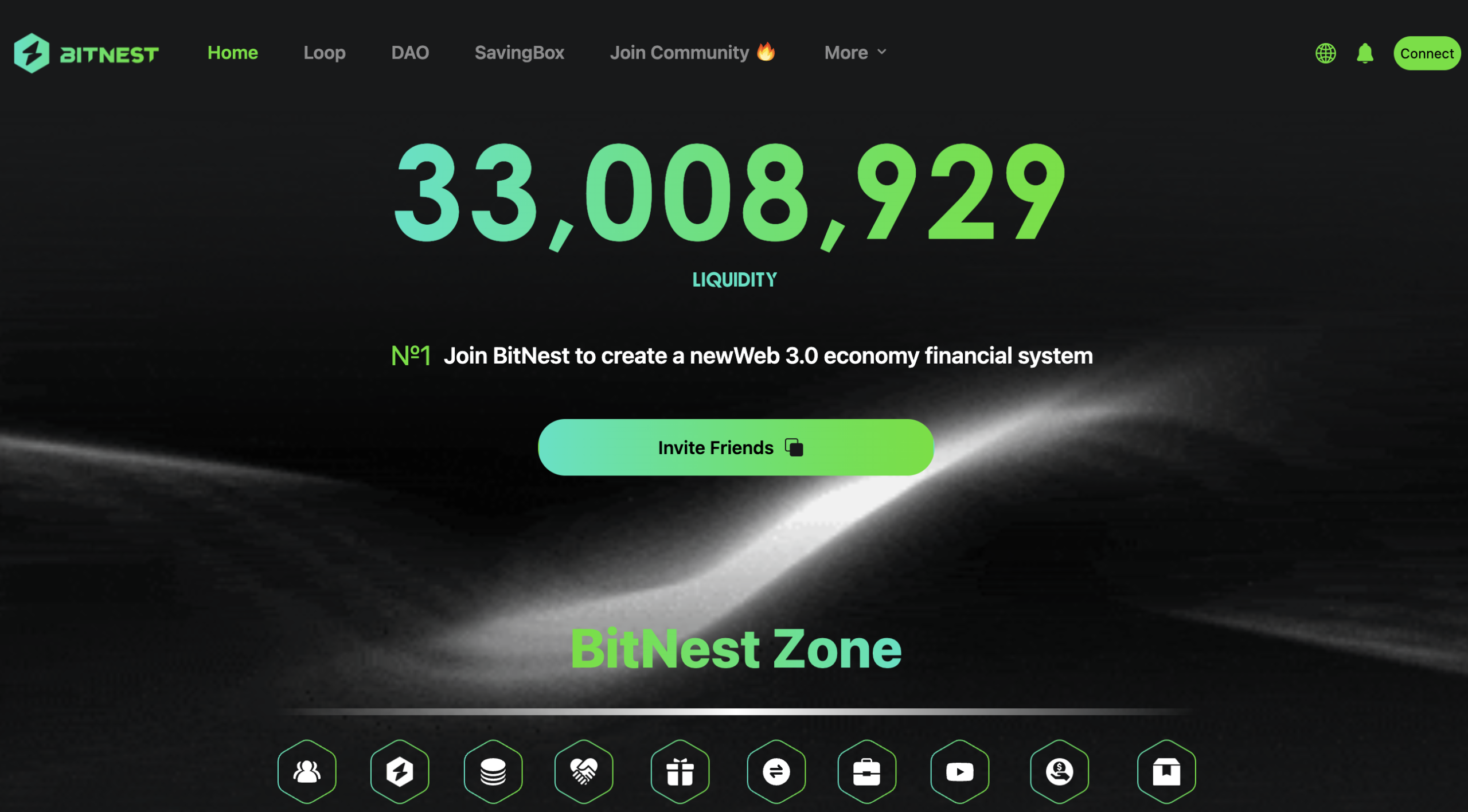
Bitnest.me positions itself as a blockchain-based yield generation service that allows users to deposit crypto and allegedly earn substantial returns through automated smart contracts. The platform promotes “loops” of varying durations, promising significant interest at the end of each cycle. On the surface, it looks like an innovative DeFi opportunity, harnessing smart contracts to deliver automated payouts without intermediaries. bitnest.me
Promises That Defy Financial Reality
At the core of Bitnest.me’s appeal are its advertised returns. The platform suggests fixed, guaranteed yields—even as high as 24 percent over what it calls a “28-day loop.” This level of return with minimal risk would be exceptional in traditional finance; in crypto, it should raise alarm bells. Genuine investment strategies involve risk proportional to reward, and automated guarantees of profits are statistically implausible without significant, underlying income mechanisms. YouTube
Because Bitnest.me claims to deliver these yields via a smart contract, it uses technical language to create an illusion of safety and inevitability. But an audit or clean code does not validate a business model. A smart contract can execute code as written, but that does not make the economic model behind it sustainable or legitimate.
Red Flags in Transparency and Structure
1. Lack of Clear Team Information
Legitimate financial services disclose founders, executives, corporate structure, and regulatory registration. Bitnest.me does not publicly reveal credible, verifiable leadership or any regulatory oversight. Anonymity is standard among scams because it shields operators from accountability. The Millionaire Drive
2. Multiple Domains and Evasive Footprints
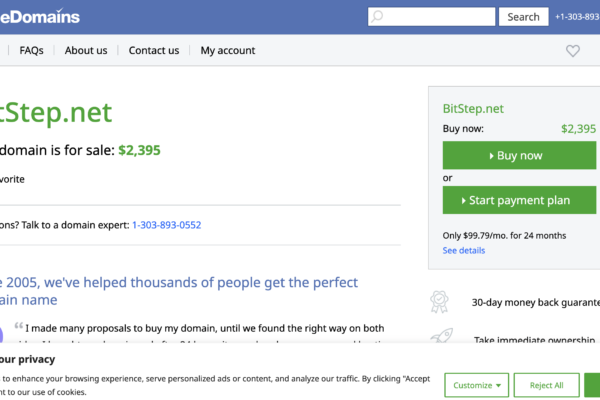
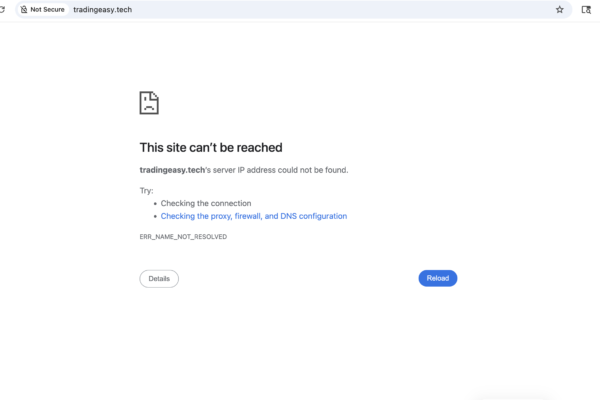
Bitnest operates across numerous domain names (e.g., bitnest.me, bitnest.finance, bitnest.ac, and more). This tactic resembles what fraud explorers call “multiple passports”: should one domain come under scrutiny, others can take its place. Real DeFi projects usually consolidate under a single brand and maintain stable web properties. The Millionaire Drive
3. Referral and Multi-Level Incentive System
The platform’s structure allegedly includes aggressive referral incentives that reward users for recruiting others. Such mechanics are hallmarks of multi-level marketing (MLM) and Ponzi schemes, where the inflow of new capital from recruits sustains payouts to earlier participants. Genuine DeFi protocols focus on utility and organic liquidity; they do not rely on recruiting rewards to balance their books. decripto.org
Community and Analyst Concerns
Public sentiment about Bitnest.me is deeply divided. Some users on review platforms claim to have received payouts and praise the automatic “loops.” However, these positive reviews are often vague and use repetitive phrasing, a common sign of coordinated or incentivized testimonials rather than independent experiences. Trustpilot
Contrary to those narratives, many crypto community discussions and analyst reports describe Bitnest.me as a potential Ponzi scheme. On forums dedicated to crypto fraud, users highlight suspicious patterns consistent with scams: heavy reliance on new funds to pay earlier investors, unverified assurances of vast memberships, and warning signs cited by cybersecurity checks. Reddit+1
One on-chain analysis even traced large volumes of transactions through Bitnest’s contracts that resemble the flow structures of classic Ponzi operations. This included substantial movement of funds through anonymity-enhancing mixing services and complex cross-chain activity, which are consistent with attempts to obscure sources and destinations of capital. decripto.org
Lack of Regulation and Investor Protections
Bitnest.me is not registered with any recognized financial regulator. Investment platforms operating without oversight leave users exposed: there is no regulatory body to enforce transparency, no custodial insurance, and no recourse if funds are misused or vanish. Investors in regulated markets rely on frameworks that enforce standards and protect client assets; unregulated services offer none of that.
This regulatory vacuum ensures that, even if users experience initial positive returns, there is no guarantee of safety or accountability. Without regulation, platforms can change terms, freeze withdrawals, or disappear entirely with little legal consequence.
Economic Sustainability and Risk Analysis
Promises of consistent, high yields must always be evaluated against sustainable economic activity. In typical financial or DeFi projects, returns come from real sources: staking rewards, lending interest, transaction fees, or yield farming protocols with clear risk profiles. Bitnest.me does not present an identifiable source of legitimate yield creation at the scale it advertises. Instead, it appears to recycle new deposits to pay existing users—a classic Ponzi dynamic.
The math is simple: High guaranteed returns in a closed system that lacks robust, risk-adjusted revenue streams cannot be sustained without continuous, rapid inflows of new capital. Once recruitment slows or new deposits decline, the system collapses, leaving late-stage participants with losses.
The Broader Crypto Fraud Landscape
The situation with Bitnest.me fits into a broader pattern seen throughout the crypto space. Scammers leverage blockchain’s complexity and lack of centralized oversight to create the impression of legitimacy. They use smart contracts, DeFi buzzwords, referral programs, and aggressive marketing to lower suspicion and lure participants. Scams are not limited to sketchy exchanges; they infiltrate every niche where deception can be disguised as innovation.
Scam operators often exploit psychological triggers: FOMO (fear of missing out), the allure of passive income, testimonials (real or fake), and technical jargon that average investors find hard to evaluate. As a result, inexperienced users may find themselves trusting a platform that lacks the structural and regulatory foundations of genuine financial services.
Conclusion
Bitnest.me’s combination of opaque leadership, unrealistic yield promises, multiple domain strategies, heavy referral incentives, and significant community warning signals create a compelling case for concern. While some users report positive experiences, those accounts do not offset the systemic risks and red flags that align with classic Ponzi and scam models.
Investors and crypto participants should approach platforms like Bitnest.me with extreme caution. Blockchain innovation holds real potential, but it also opens the door for sophisticated scams that can cause severe financial harm. Sound investment decisions require skepticism toward guaranteed returns, insistence on transparency, and preference for regulated, well-documented services.
Avoid engaging with risky platforms that lack credibility and oversight. Your financial security depends on vigilance and informed decision-making.
Report Bitnest.me And Recover Your Funds
If you have lost money to bitnest.me, it’s important to take action immediately. Report the scam to BRIDGERECLAIM.COM , a trusted platform that assists victims in recovering their stolen funds. The sooner you act, the better your chances of reclaiming your money and holding these fraudsters accountable.
Scam brokers like bitnest.me continue to target unsuspecting investors. Stay informed, avoid unregulated platforms, and report scams to protect yourself and others from financial fraud.