
X-Clarity Scam: 5 Shocking Red Flags Exposed
Investment scams have changed. They no longer rely on sloppy websites or obvious exaggerations. Today’s fraudulent platforms are carefully designed to look polished, modern, and credible—often enough to convince even cautious users.
X-Clarity is one of those platforms.
Operating through several domains, including x-clarity.com, x-clarity.net, x-clarity.org, and x-clarity.vip, X-Clarity presents itself as a sophisticated investment service offering access to crypto, forex, and automated trading tools. On the surface, everything appears professional. Under closer examination, however, the picture changes dramatically.
This review outlines five critical red flags that raise serious concerns about X-Clarity’s legitimacy and explains why extreme caution is warranted.
A Platform That Promises Too Much, Too Easily
X-Clarity’s messaging revolves around simplicity and certainty. The platform suggests that users can generate consistent profits through advanced systems, minimal effort, and expert oversight. These claims are carefully worded, but the implication is clear: reliable returns without meaningful risk.
In real financial markets, that promise simply does not exist.
Legitimate investment platforms emphasize volatility, uncertainty, and risk disclosure. X-Clarity, by contrast, leans heavily on reassurance and optimism—an approach commonly discussed in Scam Awareness resources.
Red Flag One: No Verifiable Regulatory Footprint
Any company offering trading or investment services should be traceable through recognized financial regulators. Despite implying compliance, X-Clarity does not appear in official regulatory databases, nor does it provide documentation that can be independently verified.
Licensing claims that cannot be confirmed are not minor oversights. They leave users without legal protection and remove accountability entirely. This alone places X-Clarity firmly within the high-risk category outlined in How To Verify a Platform or Company.
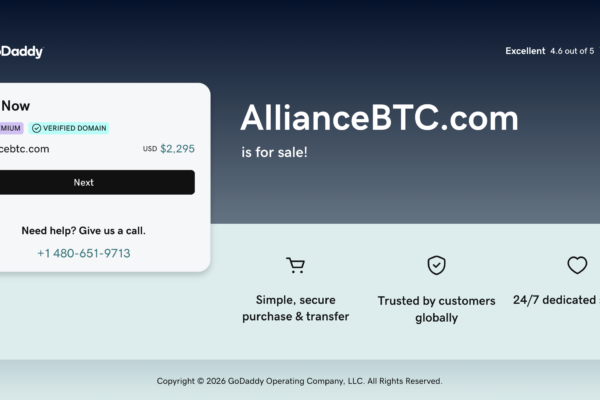
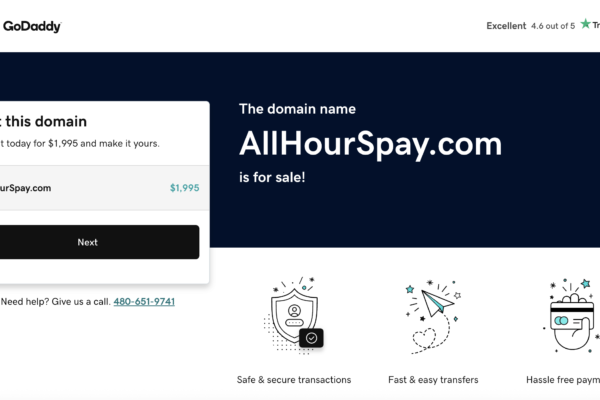
Red Flag Two: A Web of Identical Websites
X-Clarity does not operate from a single, established domain. Instead, it spreads across multiple web addresses, all carrying nearly identical content. The layouts, wording, and promises remain largely unchanged from one version to another.
This is not a sign of expansion. It is a defensive tactic.
Multiple domains allow an operation to continue functioning even when one site is reported or shut down. It also makes it harder for victims to track the platform or warn others—an approach frequently seen in Common Scam Types.
Red Flag Three: Anonymous Ownership and Missing Accountability
There is no clear information about who runs X-Clarity. No executives are named. No leadership team is presented. No physical office location can be verified.
Instead, users are directed to generic contact forms or messaging-based support. In the financial world, anonymity is not a feature—it is a liability. Transparent ownership is one of the most basic expectations of a legitimate company, and its absence is a recurring theme in Red Flags & Warning Signs.
Red Flag Four: Simulated Success Inside the Dashboard
Users who deposit funds are often shown dashboards displaying apparent profits, active trades, and growing balances. These visuals are persuasive, especially for first-time investors.
The issue is that there is no evidence these figures reflect real market activity.
In many reported cases, these dashboards function more like simulations than trading accounts. Numbers increase, confidence grows, and users are encouraged to deposit more—until they attempt to withdraw.
Red Flag Five: Withdrawals That Never Quite Happen
Withdrawal requests mark a turning point in many X-Clarity user experiences. What should be a routine process becomes complicated by unexpected conditions: additional fees, account upgrades, compliance charges, or verification requirements.
Each request for payment is framed as the final step. Each delay buys more time.
When users stop sending funds, communication often slows or ends entirely. This pattern closely mirrors scenarios outlined in What To Do After Being Scammed, where access to funds is used as leverage.
Patterns Seen in User Experiences
Although individual stories vary, the overall pattern remains consistent. Trust is established gradually. Small deposits appear to grow. Encouragement follows. Then, when users attempt to exit, the rules change.
Some individuals report emotional pressure. Others describe being urged to “act quickly” to avoid losing accumulated profits. These are not random interactions—they are structured tactics designed to extract as much value as possible before disappearing.
Why X-Clarity Cannot Be Considered Legitimate
Legitimate investment platforms operate under oversight, disclose who they are, and allow clients to access their funds without obstruction. X-Clarity fails on all three counts.
There is no confirmed regulation, no transparency, and no reliable withdrawal process. The multi-domain structure further suggests an operation designed to evade scrutiny rather than build trust.
Taken together, these factors indicate that X-Clarity does not meet the basic standards of a credible financial service.
Protecting Yourself Going Forward
Before engaging with any online investment platform:
-
Verify regulation independently
-
Question guaranteed or low-risk profit claims
-
Be cautious of urgency or pressure
-
Avoid platforms with anonymous ownership
Ongoing education is critical, and Bridge Reclaim’s Platform Reviews section regularly covers emerging risks and deceptive tactics.
If You’ve Already Encountered X-Clarity
If you have interacted with X-Clarity or believe you may have been affected, it is important to stop further engagement and seek informed guidance. Early action can help limit losses and prevent additional harm.
You can reach out to bridgereclaim.com for confidential guidance and support. Additional help is also available through Recovery & Support Resources, which outline practical next steps for affected individuals.
Final Perspective
X-Clarity is an example of how modern scams rely less on obvious deception and more on polished presentation and psychological leverage. While the platform may appear convincing at first glance, its structure and behavior raise serious concerns that cannot be ignored.
In an environment where online fraud continues to evolve, skepticism, verification, and patience remain the strongest defenses.
Learn more: Scam Awareness | Scam Alerts | Book Consultation