
Harper-Stone.ai due diligence findings summary
Executive Summary
Harper-Stone.ai presents itself as a modern trading and investment platform offering access to global financial markets, including forex, commodities, indices, stocks, and cryptocurrencies. However, a detailed due diligence review reveals significant concerns regarding transparency, corporate disclosure, regulatory oversight, and investor protection.
From a compliance and risk-management perspective, Harper-Stone.ai exhibits numerous characteristics commonly associated with high-risk and potentially fraudulent investment platforms. The absence of verifiable ownership information, lack of regulatory licensing disclosures, limited corporate transparency, and the use of privacy-shielded registration data raise substantial red flags that prudent investors should not ignore.
While every platform deserves to be evaluated on objective evidence rather than assumptions, the available information surrounding Harper-Stone.ai fails to meet the minimum standards typically expected from a legitimate financial services provider. Investors should exercise extreme caution and conduct extensive independent verification before considering any engagement with the platform.
Corporate Transparency Concerns
One of the first areas examined during any financial-services due diligence process is corporate transparency. Legitimate investment firms generally provide clear information regarding their legal entity, corporate headquarters, executive leadership, registration details, and regulatory status.
In the case of Harper-Stone.ai, publicly available information appears limited. Independent website assessments indicate that the domain ownership is concealed through a WHOIS privacy service rather than being openly disclosed. This means investors cannot easily determine who controls the platform, who is responsible for client funds, or which legal entity ultimately operates the business.
While privacy services are not inherently evidence of fraud, their use becomes problematic when combined with financial services activities. Investors entrusting money to a trading platform should reasonably expect to know the identities of the individuals and companies responsible for managing operational and financial risks.
A lack of identifiable directors, executives, or corporate officers makes accountability difficult and significantly increases counterparty risk.
Ownership and Accountability Issues
Ownership transparency is one of the cornerstones of financial compliance.
Regulated brokers and investment firms are generally required to disclose the legal entity operating the platform and provide sufficient information for clients to verify registration status. In contrast, Harper-Stone.ai appears to provide limited verifiable information regarding beneficial ownership and corporate structure. Independent reviews note that ownership information is hidden behind proxy registration services.
This creates several concerns:
- Investors cannot independently verify the background of company principals.
- Potential conflicts of interest cannot be assessed.
- There is no clear mechanism for legal recourse if disputes arise.
- Regulatory accountability becomes difficult to establish.
From a compliance perspective, unidentified ownership should always trigger enhanced due diligence procedures. Financial institutions routinely treat undisclosed ownership structures as elevated-risk indicators because they can obscure responsibility and complicate enforcement actions.
Regulatory Status and Licensing
Perhaps the most significant concern surrounding Harper-Stone.ai is the apparent absence of clearly verifiable regulatory authorization.
Financial regulators worldwide—including the UK’s Financial Conduct Authority (FCA), the Australian Securities and Investments Commission (ASIC), the Cyprus Securities and Exchange Commission (CySEC), and other major supervisory bodies—require firms providing investment services to obtain appropriate licenses and comply with extensive conduct standards.
A properly regulated broker typically publishes:
- License numbers
- Regulatory registrations
- Supervisory authority details
- Client fund protections
- Complaint procedures
- Risk disclosures
The available information regarding Harper-Stone.ai does not appear to provide the level of regulatory disclosure normally expected from licensed investment firms. Independent reviews have specifically highlighted concerns regarding regulatory status and have questioned whether the platform possesses recognized authorization to offer financial services.
For investors, the absence of clear regulatory verification creates substantial uncertainty. Without regulatory supervision, there may be limited protections against misconduct, misappropriation of funds, misleading marketing practices, or unfair trading conditions.
Investor Protection Deficiencies
Investor protection is a key component of financial regulation.
When dealing with regulated firms, investors often benefit from safeguards such as:
- Segregated client accounts
- Capital adequacy requirements
- Independent audits
- Dispute resolution mechanisms
- Compensation schemes in certain jurisdictions
- Regulatory supervision of business conduct
Based on publicly available information, it remains unclear whether Harper-Stone.ai provides any of these protections.
Without independently verified segregation of client funds, investors cannot determine whether deposited capital is separated from operational accounts. This distinction is critical because client funds held in pooled operational accounts may be exposed to misuse or insolvency risks.
Similarly, there appears to be limited publicly available evidence of external auditing, financial reporting, or independent oversight. In regulated environments, these mechanisms serve as essential safeguards against fraud and financial mismanagement.
The absence of such disclosures significantly weakens investor confidence.
Website Risk Indicators
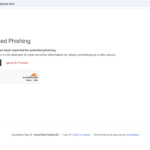
Several independent website risk-assessment services have assigned extremely low trust scores to Harper-Stone.ai and identified multiple warning signs. Among the concerns cited are hidden ownership information, recent domain registration, low website reputation, and potential associations with high-risk financial activities.
It is important to note that automated trust scores should not be treated as definitive proof of misconduct. However, they can serve as useful indicators that warrant additional scrutiny.
In compliance reviews, risk indicators are rarely evaluated individually. Instead, analysts examine whether multiple warning signs appear simultaneously. In Harper-Stone.ai’s case, several concerns appear to converge:
- Limited ownership transparency.
- Unclear regulatory standing.
- Recent domain history.
- Limited independent reputation.
- Elevated risk assessments from third-party evaluators.
When combined, these factors justify heightened caution.
Withdrawal and Operational Risk
One of the most common complaints associated with unregulated trading platforms involves withdrawal difficulties.
Although individual allegations must always be treated carefully and independently verified, multiple reviews discussing Harper-Stone.ai have referenced concerns regarding deposits, withdrawals, and operational transparency.
For investors, withdrawal capability is one of the most important operational tests of platform legitimacy.
Before depositing substantial funds, investors should verify:
- Withdrawal processing times.
- Applicable fees.
- Identity verification requirements.
- Dispute procedures.
- Terms and conditions.
If these policies are unclear, difficult to locate, or subject to broad discretionary interpretation, investors face elevated risks.
Due Diligence Recommendations
Any investor considering Harper-Stone.ai should undertake comprehensive due diligence before committing funds.
At a minimum, investors should independently verify:
- Corporate registration documents.
- Regulatory licenses and authorizations.
- Physical office locations.
- Executive and management identities.
- Client fund segregation policies.
- Withdrawal procedures.
- Independent customer experiences.
- Legal jurisdiction governing disputes.
Investors should also contact the relevant financial regulator directly to confirm whether the platform is authorized to provide services within their jurisdiction.
If a platform cannot provide verifiable documentation supporting its regulatory claims, investors should treat that as a serious warning sign.
Conclusion
From a compliance analyst’s perspective, Harper-Stone.ai raises substantial concerns in four critical areas: transparency, ownership disclosure, regulatory oversight, and investor protection.
The platform appears to provide insufficient information regarding who owns and operates the business, while publicly available assessments highlight concerns about hidden ownership structures, limited transparency, and uncertain regulatory standing. Independent review services have assigned very low trust scores and identified multiple risk indicators that merit caution.
Although the absence of transparency alone does not conclusively prove fraudulent activity, legitimate financial institutions typically recognize that investor trust is built through openness, accountability, and regulatory compliance. Harper-Stone.ai currently appears to fall short of those standards.
For risk-conscious investors, the prudent course of action is to avoid depositing funds until the platform can demonstrate verifiable ownership, recognized regulatory authorization, independent oversight, and meaningful investor-protection safeguards. Until such evidence is available, Harper-Stone.ai should be regarded as a high-risk financial platform requiring extreme caution.
-
Contact Bridgereclaim.com to Review Your Case
If you have lost money to harper-stone.ai, it is important to act without delay. You can submit details of your experience to BRIDGERECLAIM.COM, a platform that assists individuals who have been affected by fraudulent online trading activity. Taking prompt action may improve the likelihood of addressing the situation and pursuing accountability for those responsible.
Unregulated brokers such as harper-stone.ai continue to target unsuspecting investors. Staying informed, avoiding platforms that lack proper oversight, and alerting the appropriate channels can help protect both yourself and others from financial misconduct.