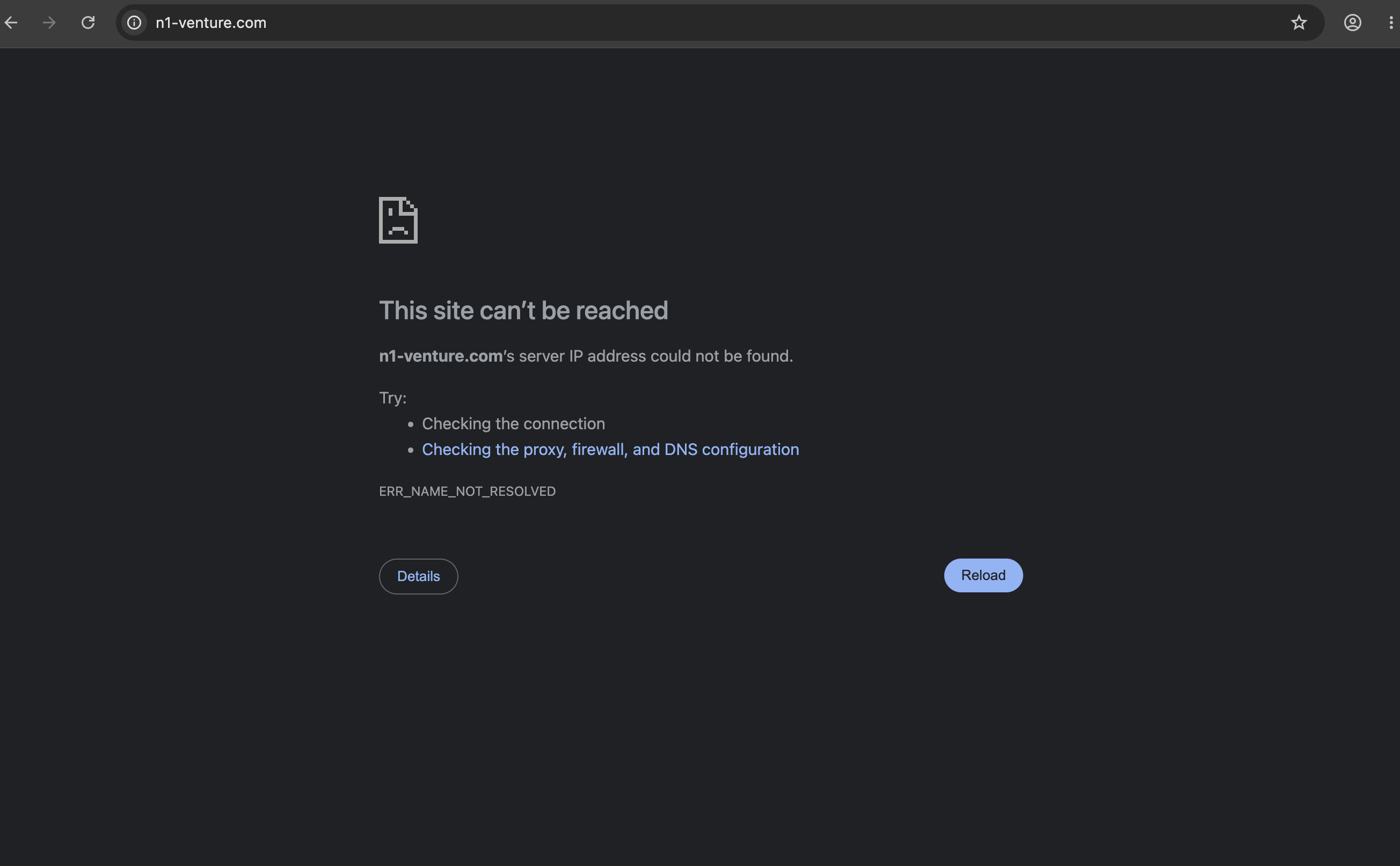
N1-Venture.com Due Diligence Guide for Investors
Introduction
Conducting thorough due diligence is one of the most important steps before engaging with any online investment platform. Investors should evaluate a firm’s regulatory standing, ownership transparency, operational disclosures, and investor protection measures before committing funds. Platforms operating without clear oversight or verifiable corporate information deserve additional scrutiny because the absence of transparency increases uncertainty and makes independent verification significantly more difficult.
This review examines n1-venture.com from a compliance and due diligence perspective. Rather than evaluating investment performance or trading conditions, this assessment focuses on governance, regulatory status, corporate transparency, ownership disclosure, and the safeguards typically expected from financial service providers.
Why Due Diligence Matters
Financial regulators worldwide encourage investors to verify several fundamental aspects before opening an account with any investment platform, including:
- Regulatory authorization
- Corporate registration
- Physical business presence
- Ownership transparency
- Executive management disclosure
- Client fund protection
- Risk disclosures
- Legal documentation
- Complaint resolution procedures
These elements help establish accountability and enable investors to independently verify whether a company operates within recognized regulatory frameworks.
When one or more of these factors cannot be confirmed, investors have less information upon which to base informed decisions.
Regulatory Status
One of the first areas examined during compliance due diligence is regulatory authorization.
At the time of review, there is no independently verifiable evidence that n1-venture.com holds authorization from a recognized financial regulator to provide regulated investment or brokerage services. Publicly available information also indicates that the domain has been associated with an entity identified by the Australian Securities and Investments Commission (ASIC) as an impersonator of a legitimate licensed business rather than the genuine regulated company.
Regulation generally requires financial firms to comply with standards covering:
- Capital adequacy
- Client asset protection
- Risk management
- Internal compliance
- Independent audits
- Complaint handling
- Anti-money laundering controls
Without verified regulatory authorization, there is limited independent oversight regarding whether these standards are being followed.
Corporate Transparency
Transparency is a cornerstone of financial compliance.
Well-regulated investment firms generally disclose:
- Legal company name
- Registration number
- Regulatory license
- Headquarters address
- Directors
- Executive management
- Compliance officers
- Contact information
- Jurisdiction of operation
A review of publicly available information for n1-venture.com reveals limited independently verifiable corporate disclosures regarding the individuals responsible for operating the platform. This lack of transparency makes it difficult to determine who ultimately manages the business or where operational responsibility resides.
From a compliance standpoint, anonymous ownership structures increase operational risk because accountability becomes more difficult to establish.
Ownership Disclosure
Ownership transparency is another important component of due diligence.
Regulated financial institutions commonly provide sufficient corporate information that allows investors to identify:
- Parent companies
- Beneficial owners
- Directors
- Shareholders with significant control
- Corporate history
During this review, no clearly verifiable ownership structure was identified for n1-venture.com through publicly available disclosures.
This contrasts with established regulated companies, where beneficial ownership and corporate governance are often documented in public corporate registries or regulatory filings.
Without ownership transparency, investors may find it challenging to assess:
- Corporate governance
- Decision-making authority
- Financial accountability
- Organizational structure
Website Transparency
Website disclosures often provide valuable insight into a firm’s commitment to transparency.
Areas typically reviewed include:
- Terms and Conditions
- Privacy Policy
- Risk Disclosure
- Regulatory statements
- Licensing information
- Corporate registration
- Legal notices
Comprehensive legal documentation helps users understand their contractual relationship with the provider.
Incomplete or unclear disclosures reduce transparency and make independent verification more difficult.
Regulatory Verification
A standard compliance procedure involves verifying regulatory claims directly with official financial regulators.
When evaluating investment firms, analysts typically verify:
- License number
- Regulator database
- Company name
- Registered address
- Approved activities
Public information reviewed for n1-venture.com does not provide sufficient evidence to independently verify authorization as a regulated investment provider. Additionally, ASIC has published a warning stating that the domain n1-venture.com impersonates the legitimate licensed entity N1 Venture Pty Ltd and is not affiliated with that regulated firm.
Independent regulatory verification is an important step in confirming whether a firm is authorized to offer financial services.
Operational Transparency
Operational transparency extends beyond licensing.
Investors generally expect clear disclosure regarding:
- Business model
- Products offered
- Fees
- Charges
- Withdrawal procedures
- Client agreements
- Risk disclosures
Clear documentation enables informed decision-making and reduces uncertainty.
Where information is incomplete or difficult to verify, prospective clients have fewer objective data points available during their evaluation process.
Investor Protection Framework
Investor protection is a major consideration when assessing financial firms.
Regulated providers are often subject to rules covering:
- Segregation of client funds
- Internal compliance monitoring
- Financial reporting
- Regulatory examinations
- Dispute resolution procedures
- Client complaint mechanisms
Such frameworks are designed to establish minimum operational standards and accountability.
Where regulatory oversight cannot be independently confirmed, the availability of these protections may be less certain.
Risk Management Transparency
Financial firms typically publish information explaining how operational risks are managed.
Examples include:
- Market risk
- Liquidity risk
- Cybersecurity
- Data protection
- Business continuity
- Operational controls
Transparent disclosure demonstrates an organization’s commitment to governance and internal controls.
Limited public information regarding these areas may reduce an external observer’s ability to evaluate operational resilience.
Corporate Governance
Corporate governance refers to the systems used to direct and oversee an organization.
Good governance generally includes:
- Identifiable directors
- Independent oversight
- Internal controls
- Compliance management
- Ethical standards
Public disclosure of governance structures promotes accountability and investor confidence.
When governance information cannot be independently verified, external assessment becomes more difficult.
Domain and Corporate Identity
An important element of due diligence is determining whether a website’s branding corresponds to a legitimate corporate entity.
The domain n1-venture.com should not be confused with the legitimate Australian company N1 Venture Pty Ltd, which has existed for years as part of N1 Holdings Limited. Public corporate records show that the genuine N1 Venture Pty Ltd has an established corporate history separate from the website under review. ASIC’s warning specifically states that n1-venture.com is impersonating that licensed entity rather than representing it.
Verifying that a website is genuinely connected to the licensed entity it references is an important component of compliance due diligence.
Information Available to Investors
Transparency enables investors to make informed decisions.
Common information expected from established financial institutions includes:
- Annual reports
- Regulatory filings
- Corporate announcements
- Governance reports
- Executive biographies
- Compliance disclosures
Such documentation allows independent verification of operational legitimacy.
Limited publicly verifiable information reduces the amount of objective evidence available for assessment.
Compliance Perspective
From a compliance analyst’s standpoint, evaluating an investment platform involves answering several questions:
- Can regulatory authorization be independently confirmed?
- Is ownership transparent?
- Are executives identifiable?
- Are regulatory disclosures available?
- Are client protections clearly documented?
- Is governance independently verifiable?
- Can licensing claims be confirmed?
Where multiple questions remain unanswered due to limited public information, additional caution during the due diligence process is generally warranted.
Final Assessment
Based on publicly available information, n1-venture.com demonstrates limited transparency across several important due diligence categories, including regulatory authorization, ownership disclosure, and corporate governance. Public regulatory information also indicates that the website has been identified by ASIC as an impersonator of a legitimate licensed company rather than an authorized representative of that business.
From a compliance perspective, transparency and verifiable regulatory oversight are fundamental components of investor confidence. Independent verification of licensing, ownership, governance, and operational disclosures helps establish accountability and allows investors to make informed decisions based on objective evidence.
As with any financial platform, comprehensive due diligence should include verification of regulatory status, corporate identity, ownership structure, legal documentation, and governance practices using publicly available official sources before relying on any investment-related representations.
-
Contact Bridgereclaim.com to Review Your Case
If you have lost money to n1-venture.com, it is important to act without delay. You can submit details of your experience to BRIDGERECLAIM.COM, a platform that assists individuals who have been affected by fraudulent online trading activity. Taking prompt action may improve the likelihood of addressing the situation and pursuing accountability for those responsible.
Unregulated brokers such as n1-venture.com continue to target unsuspecting investors. Staying informed, avoiding platforms that lack proper oversight, and alerting the appropriate channels can help protect both yourself and others from financial misconduct.