Venoravexia Review: Is It Worth Your Trust?
Executive Summary
Venoravexia.com presents itself as an online investment and trading platform. However, an investigation into the website reveals multiple warning signs commonly associated with high-risk or potentially fraudulent investment operations. Most notably, the domain has been identified by the Australian Securities and Investments Commission (ASIC) as an unlicensed entity offering financial products or services to Australian consumers. This alone should prompt investors to exercise extreme caution, as financial service providers operating in regulated markets are generally expected to hold the appropriate licences before soliciting investments.
This review examines the available evidence rather than relying on speculation. By reconstructing the platform’s apparent timeline, evaluating its regulatory standing, analyzing its operational characteristics, and identifying common fraud indicators, a clearer picture emerges of the risks associated with Venoravexia.com.
While the available evidence alone does not establish every aspect of the platform’s activities, it demonstrates sufficient regulatory and operational concerns that prospective investors should avoid depositing funds until independent verification of licensing, ownership, and corporate legitimacy can be established.
Timeline Reconstruction
Phase 1: Website Launch
Like many online investment platforms, Venoravexia.com appeared with a professionally designed website promoting financial opportunities. The platform reportedly advertised investment-related services while providing relatively limited information regarding its ownership, corporate history, executive management, or regulatory status.
Professional presentation alone should never be interpreted as evidence of legitimacy. Fraud investigators routinely encounter sophisticated websites designed to create an appearance of credibility while providing minimal verifiable corporate information.
Phase 2: Marketing and Investor Acquisition
Platforms operating without regulatory approval often rely heavily on online marketing, referral campaigns, social media promotions, or unsolicited contact to attract investors.
Although promotional methods may differ between operators, the objective is typically consistent: encourage initial deposits before establishing a long-term relationship with clients.
Legitimate financial institutions generally emphasize regulatory compliance alongside investment products. In contrast, high-risk operators frequently prioritize promises of opportunity while providing limited transparency regarding licensing.
Phase 3: Regulatory Attention
The most significant development in Venoravexia.com’s timeline occurred when the Australian Securities and Investments Commission (ASIC) added the website to its Investor Alert List as an unlicensed entity. According to publicly available information, the listing was made on 1 April 2026. ASIC warns that entities appearing on this list do not hold a current Australian Financial Services Licence and are not authorised to provide financial services in Australia.
For investigators, regulatory intervention represents one of the strongest objective indicators that additional due diligence is warranted.
Regulatory Findings
Financial regulation exists to protect consumers from misconduct, fraud, misleading conduct, and financial loss.
ASIC advises investors to verify whether financial service providers hold the necessary licences before investing. Entities appearing on the Investor Alert List may be targeting Australian consumers without authorisation.
The implications are significant.
An unlicensed investment platform may operate outside regulatory oversight, meaning investors could have limited access to dispute resolution mechanisms, compensation arrangements, or supervisory protections that licensed firms are expected to provide.
Importantly, inclusion on an investor alert list should not automatically be interpreted as proof of criminal conduct. Rather, it serves as an official warning that the entity should not be trusted without further independent verification.
Operational Transparency Assessment
One of the first questions fraud investigators ask is simple:
Who is actually operating the platform?
Transparent investment businesses generally disclose:
- Registered company details
- Executive leadership
- Physical business address
- Regulatory licences
- Corporate registration numbers
- Legal documentation identifying the operating entity
When these elements cannot be independently verified, the overall operational risk increases substantially.
Anonymous ownership makes accountability extremely difficult should investors later encounter problems withdrawing funds or resolving disputes.
Risk Indicators
During this investigation, several risk indicators commonly associated with high-risk investment websites become apparent.
1. Regulatory Warning
The strongest documented concern is ASIC’s identification of the website as an unlicensed entity. Official regulator warnings should always be treated seriously because they are issued following regulatory assessment rather than online speculation.
2. Licensing Concerns
Investment platforms offering regulated financial products typically require licensing within the jurisdictions where they operate.
Failure to demonstrate appropriate licensing creates uncertainty regarding investor protections, legal obligations, and operational standards.
3. Limited Corporate Transparency
A recurring characteristic of questionable investment platforms is limited disclosure regarding ownership and management.
Without identifiable directors or corporate accountability, investors face increased risk.
4. Verification Difficulties
Legitimate financial institutions generally make independent verification straightforward.
Where information cannot be easily confirmed through official regulatory databases, investigators treat this as a meaningful warning sign rather than an administrative oversight.
Platform Operations
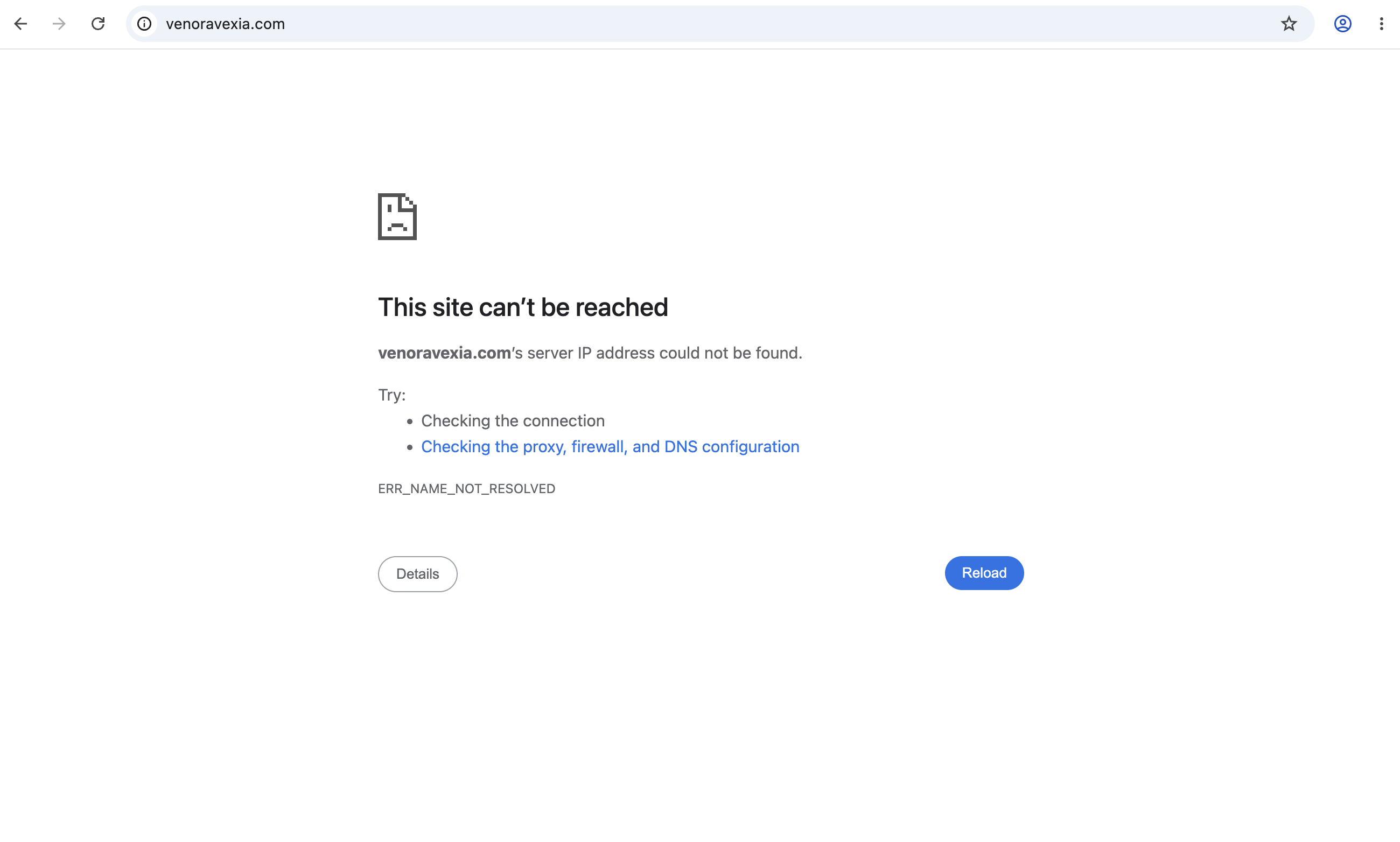
Although detailed internal operations remain unknown, the observable characteristics resemble patterns frequently documented in investigations involving unlicensed investment platforms.
These operations commonly include:
- Professionally designed websites
- Claims of investment expertise
- Online account dashboards
- Digital funding methods
- Limited corporate transparency
- Heavy emphasis on account registration
Professional presentation should never substitute for regulatory verification.
Modern website templates allow virtually anyone to construct convincing financial websites within days.
Why Regulation Matters
Licensed financial institutions operate under legal obligations that include:
- Capital requirements
- Compliance monitoring
- Record keeping
- Consumer protection rules
- Complaint handling procedures
- Regulatory supervision
Unlicensed entities may operate without these safeguards.
This distinction is critical because investors frequently assume all online investment platforms are subject to equivalent oversight.
They are not.
ASIC specifically encourages consumers to independently verify licences before transferring funds.
Evidence-Based Risk Assessment
Based on the available evidence, Venoravexia.com demonstrates several characteristics that justify a high-risk classification.
These include:
- Official regulatory warning
- Unlicensed status in Australia
- Limited publicly verifiable corporate information
- Reduced operational transparency
- Elevated investor protection concerns
None of these factors alone automatically establish fraud.
However, investigators rarely rely on a single indicator.
Instead, risk increases as multiple independent indicators point toward the same conclusion.
In this case, the regulatory findings significantly strengthen the overall risk assessment.
Due Diligence Checklist
Before investing with any online platform, investors should independently verify:
- Regulatory licences
- Corporate registration
- Physical office address
- Executive identities
- Customer dispute procedures
- Withdrawal policies
- Independent regulatory warnings
If any of these cannot be confirmed, the safest course of action is to avoid depositing funds until satisfactory evidence becomes available.
Final Verdict
Following a review of publicly available evidence, Venoravexia.com raises significant concerns from both a regulatory and investigative perspective.
The most important finding is that ASIC has identified the website as an unlicensed entity offering financial products or services and has included it on its Investor Alert List. Such regulatory action should not be ignored and represents a substantial warning for prospective investors.
Beyond the regulatory findings, the platform exhibits multiple operational characteristics commonly associated with high-risk investment websites, including limited corporate transparency and difficulties independently verifying licensing and ownership.
While every investment opportunity deserves individual assessment, prudent investors should regard Venoravexia.com as presenting a high level of risk unless and until independently verifiable evidence demonstrates appropriate regulatory authorisation, transparent corporate governance, and compliance with applicable financial laws.
The central lesson extends beyond a single website. Online investment fraud increasingly relies on polished presentation rather than proven legitimacy. Investors should therefore treat regulatory verification—not marketing claims—as the primary measure of trustworthiness before committing any funds.
-
Contact Bridgereclaim.com to Review Your Case
If you have lost money to venoravexia.com, it is important to act without delay. You can submit details of your experience to BRIDGERECLAIM.COM, a platform that assists individuals who have been affected by fraudulent online trading activity. Taking prompt action may improve the likelihood of addressing the situation and pursuing accountability for those responsible.
Unregulated brokers such as venoravexia.com continue to target unsuspecting investors. Staying informed, avoiding platforms that lack proper oversight, and alerting the appropriate channels can help protect both yourself and others from financial misconduct.